
Earn more with exciting casino bonus strategies
Decoding Social Cues: The Gambler’s Edge
In the high-stakes world of gambling, understanding your opponent is paramount. This isn’t just about calculating odds; it’s about deeply reading the subtle nuances of human behavior. A skilled card player learns to observe micro-expressions, involuntary gestures, and shifts in posture that can betray a strong hand or a desperate bluff. This ability to interpret unspoken signals is a powerful tool, allowing for strategic decisions beyond mere probability, and helping you to reading cues effectively.
Applying this mindset to everyday interactions means paying attention to more than just words. It involves deciphering the hidden messages in body language, the underlying emotions in tone of voice, and the patterns of behavior that reveal true intentions. Just as a poker face can mask a winning hand, so too can someone’s outward demeanor conceal their inner thoughts and feelings. Learning to see past the surface is the first step to truly understanding others.
Non-Verbal Communication: A Silent Language
The human body speaks a language all its own, a constant stream of non-verbal cues that often convey more truth than spoken words. Crossed arms might signal defensiveness, a fleeting smile could indicate genuine amusement, and a darting gaze might suggest nervousness or deception. These are the tell-tale signs that a seasoned card player meticulously catalogs to build a comprehensive picture of their opponent’s state of mind.
Developing the skill to read these non-verbal signals requires active observation and a keen awareness of context. It’s about noticing inconsistencies between what someone says and how they say it, or how their body reacts to certain topics. By becoming a student of this silent language, you can gain invaluable insights into people’s true feelings and motivations, much like anticipating a rival’s next move at the poker table.
Behavioral Patterns: Unveiling Hidden Intentions
People often fall into predictable patterns of behavior, especially under pressure or when trying to achieve a specific outcome. For a card player, recognizing these patterns – how an opponent bets when they have a strong hand versus a weak one, or their typical reactions to a raise – can be the key to victory. These repeated actions, often subconscious, offer a window into their strategy and confidence levels.
Translating this to broader social situations, observing how individuals consistently react in different scenarios can reveal underlying personality traits and intentions. Do they consistently dominate conversations? Do they become withdrawn when challenged? Understanding these behavioral rhythms allows you to anticipate their responses, navigate disagreements more effectively, and build stronger, more informed relationships.
Interpreting Tone and Cadence: The Sound of Truth
Beyond the words themselves, the way someone speaks can be incredibly revealing. A tremor in the voice, an unusually rapid pace of speech, or a sudden drop in pitch can all be indicators of underlying emotions like anxiety, excitement, or even dishonesty. A gambler learns to listen for these vocal tells, as they can be just as important as visual cues in assessing an opponent’s hand.
Cultivating an ear for these vocal nuances requires active listening, focusing not just on the content of the message but on its delivery. Is the tone overly enthusiastic, masking a lack of conviction? Does the voice falter when discussing certain subjects? By honing your ability to interpret tone and cadence, you can better discern sincerity, identify areas of discomfort, and understand the emotional subtext of any conversation.
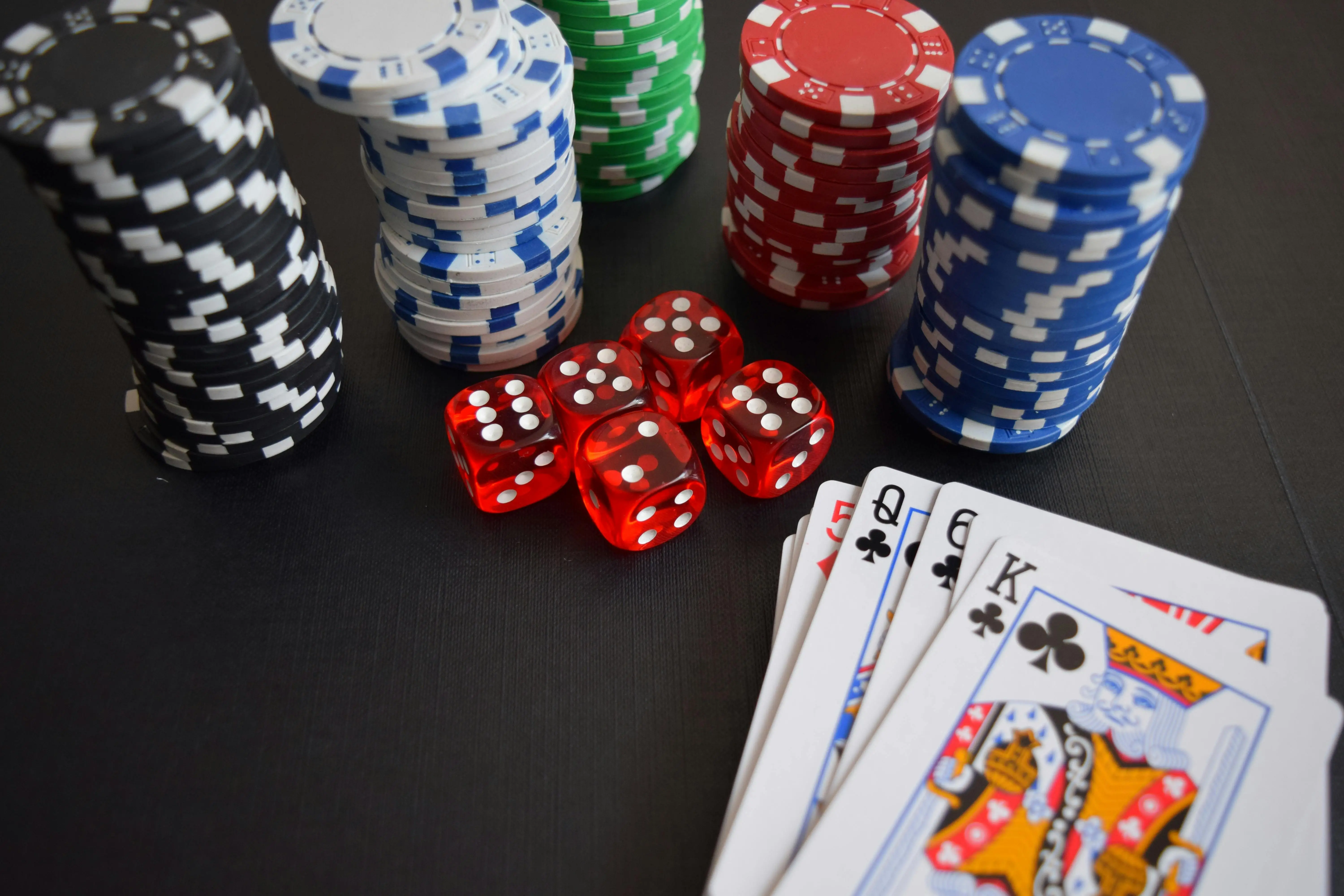
Reading The Room Like A Card Player: Your Enhanced Social Navigation
The “Reading The Room Like A Card Player” website offers a unique framework for mastering the art of social perception. By drawing parallels to the strategic observation of a card game, it provides practical insights into interpreting subtle social cues and non-verbal communication. This platform teaches you to analyze body language, vocal intonations, and behavioral patterns with the same precision a skilled player uses to read their opponents at the table.
Through its teachings, you can significantly enhance your interpersonal skills. Understanding the underlying dynamics of social situations, much like understanding the flow of a poker game, allows for more confident and successful navigation. “Reading The Room Like A Card Player” empowers you to build rapport, de-escalate conflicts, and achieve your social and professional goals by becoming a more astute observer of human interaction.